0
Your Cart
0
Your Cart

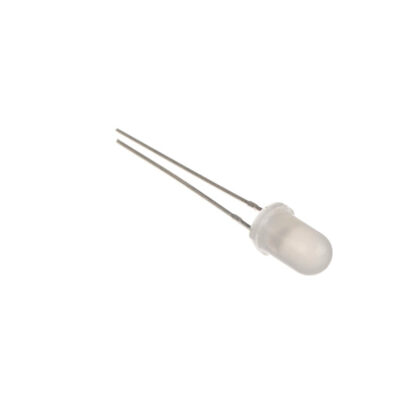
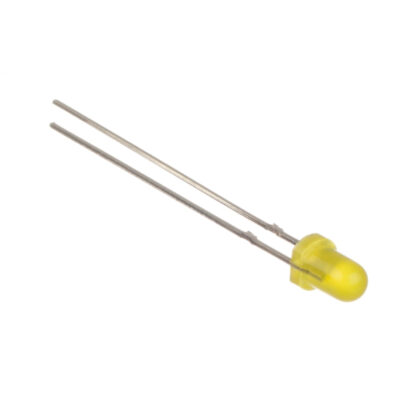
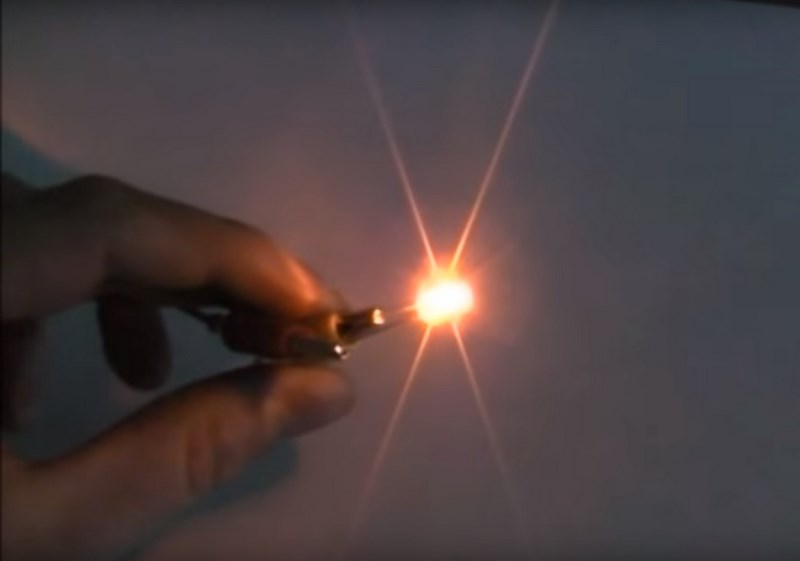
This LED produces light that is similar to that of a candle flame. This makes it ideal for mood lighting, toys or ornaments.

fickering candle led.gif

Features:

  • Produces light similar to a candle flame.
  • Ideal for mood lighting.
  • Does not require a current limit resistor.

Contents:

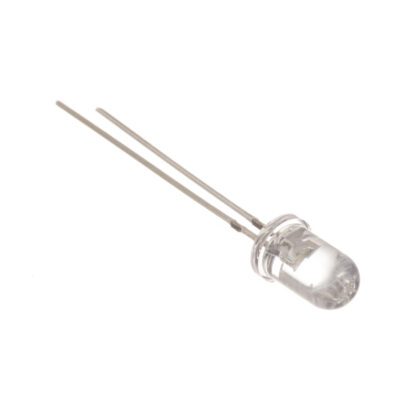
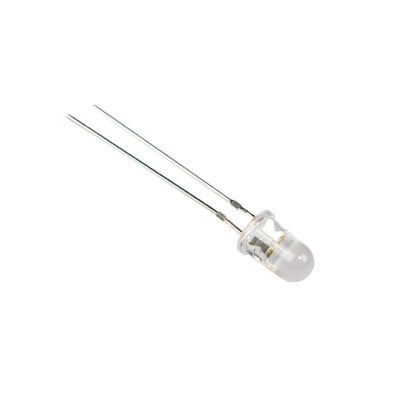
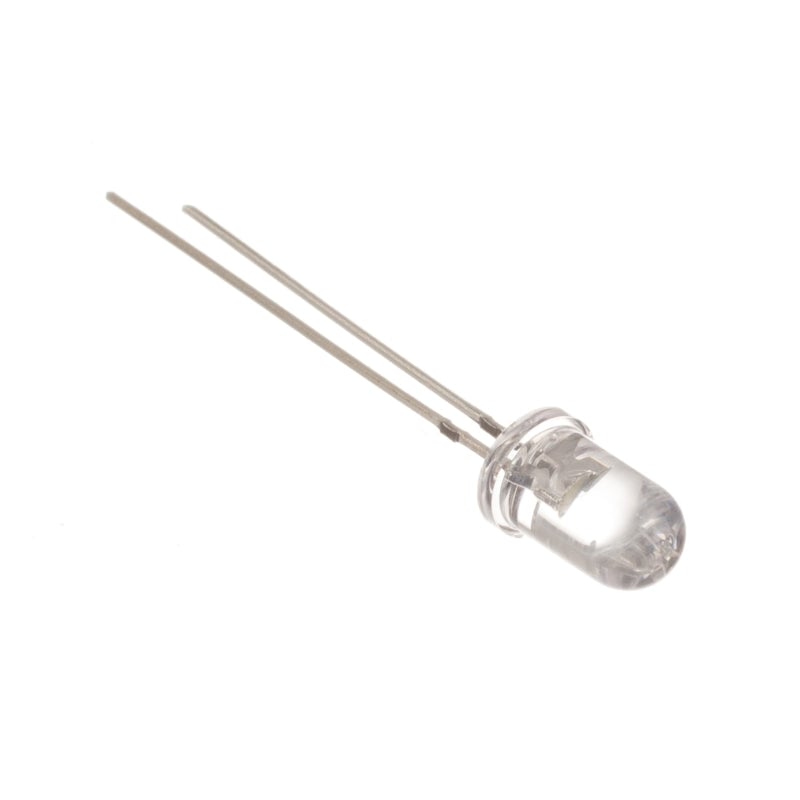
  • 1 x Yellow Candle 5mm Water Clear LED – 30deg – 5800mCd.

Dimensions:

  • Length: 36mm.
  • Height of LED: 9mm.
  • Diameter: 6mm.

Technical Information

AttributeValue
Lens Type Clear.
Viewing Angle 30 degrees.
Forward Voltage Drop 2.5 - 5V (does not require current limit resistor).
Max Forward Current 25mA.
Luminous Intensity 5800mCd (@20mA).

Related resources

Reviews

There are no reviews yet.

Be the first to review “Yellow Flickering Candle 5mm Water Clear LED – 30deg – 5800mCd”

Your email address will not be published. Required fields are marked *

Questions and answers

    I have bought several of these LED's and each one is working perfectly fine on a CR2032 coin. Is it OK to use a rechargeable coin cell eg. LR 2032 which is approximately 4v ? Or will I have to use a resistor? I do have an LR2032 charger.
  1. 0 votes
    Q I have bought several of these LED's and each one is working perfectly fine on a CR2032 coin. Is ...... Read more
    Asked by Malcolm on December 20, 2019 12:00 am
    Answered by the admin Good afternoon,
    Many thanks for the query.
    looking at the technical specifications of the LED, it can take between 2.5V - 5V and would not require a current limiting resistor.
    Many thanks
  2. Will the flicker led operate to a reasonable brightness if powered by a coin battery , if so which would you recommend . It's to go into a greeting card so the thinner the better ! Thank you for your help.
  3. 0 votes
    Q Will the flicker led operate to a reasonable brightness if powered by a coin battery , if so whic...... Read more
    Asked by Elaine on September 26, 2018 12:00 am
    Answered by the admin Hi Elaine,

    Thank you for your question, this LED will indeed run from a coin cell at a reasonable brightness. The most common coin cell we see used with these are the CR2032 Coin Cells our code 2262.

    Best regards

    Cullen
  4. Can you give an indication of lifespan of these LEDs please, and how dependent it would be on the voltage used.
  5. 0 votes
    Q Can you give an indication of lifespan of these LEDs please, and how dependent it would be on the...... Read more
    Asked by Neil Bollen on September 10, 2018 12:00 am
    Answered by the admin Hi Neil,

    Thank you for your question. LEDs do not work quite the same as light bulbs meaning they do not really have the same sort of life spans. You should easily be able to get 5-10 years out of an LED provided you supply it the correct voltage.

    For this one you can supply it with 2.5V to 5V so anywhere in that range should be fine. If you go above that range you will need to build in resistors to prevent damage to the LED, but this should not affect it's life span.

    Best Regards

    Cullen

  6. What voltage or voltage range are these LEDs intended to operate on? (I don't mean forward voltage drop). I would like to see the manufacturer's datasheet if possible.Thank you
  7. 0 votes
    Q What voltage or voltage range are these LEDs intended to operate on? (I don't mean forward voltag...... Read more
    Asked by Howard on December 15, 2015 12:00 am
    Answered by the admin The LED will turn on at around 1.8V’s however it is very dim, it becomes more visible around 2V and becomes most clear at around 2.5V’s. The maximum voltage the LED can take is 5V.
  8. HiIf two or more of these flicker LEDs have power applied at the same time (e.g. if there were several wired in parallel), would the flicker effect be synchronised across all LEDs? I assume they would eventually drift out of phase anyway if this was the case, but for my application it would be better if they all did their own thing from power-up.Is the flicker effect random or is there a visible cycle to the flicker pattern? Many thanks,Martin
  9. 0 votes
    Q HiIf two or more of these flicker LEDs have power applied at the same time (e.g. if there were se...... Read more
    Asked by Martin Abbott on January 5, 2015 12:00 am
    Answered by the admin The LED’s all power up at the same time but they appear to go out of sync straight away, so they all end up flicking at different times. There is a pattern to the flicking but it isn’t obvious to look at, so it does appear random.
To submit a question, please login or create an account